
Postmodern interior design is a vibrant and eclectic movement that defies conventional norms to create spaces that are as unique as the individuals who inhabit them. By blending various styles, colors, and materials, postmodernism champions individuality and self-expression in ways that traditional design often restricts.
From bold patterns to unexpected juxtapositions, postmodern interiors are a playground for creativity. This design philosophy encourages homeowners to break free from the shackles of minimalism and embrace a more playful, layered approach to decor.
In this article, we’ll explore 13 postmodern interior design ideas that challenge the status quo and inspire you to incorporate elements of surprise and whimsy into your own home. Whether you’re a seasoned designer or a curious homeowner, these concepts will reignite your passion for interior aesthetics and push the boundaries of your personal style.
1. Eclectic Furniture Mashups
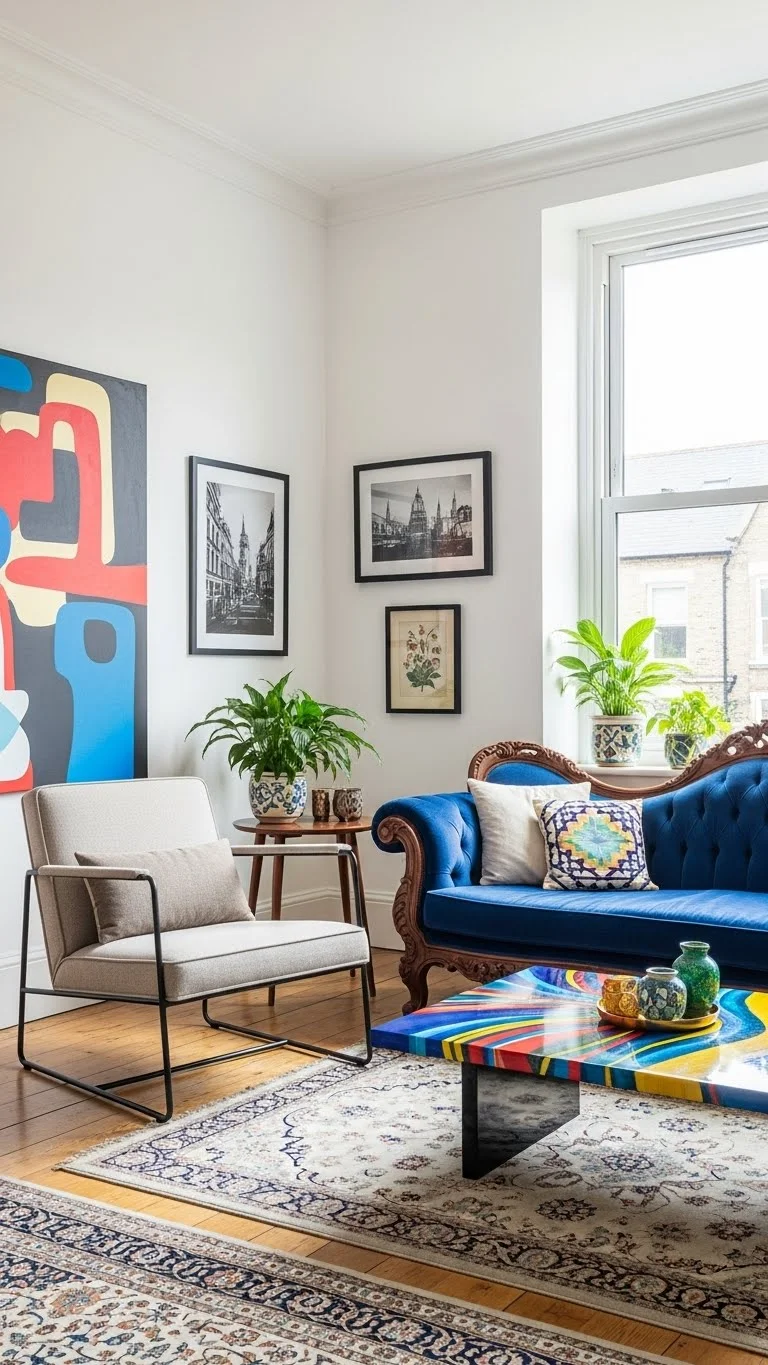
Mixing styles is the hallmark of postmodern design. Picture a sleek, minimalist chair paired with a vintage Victorian sofa, complemented by a bold, abstract coffee table. This playful combination creates a visual conversation between eras and styles, drawing the eye and sparking intrigue.
The unexpected juxtapositions invite guests to explore the space, encouraging them to appreciate the beauty in contradictions. A carefully curated collection of diverse pieces allows for personal expression, transforming your living area into an artistic dialogue of furniture and function.
2. Bold Color Combinations
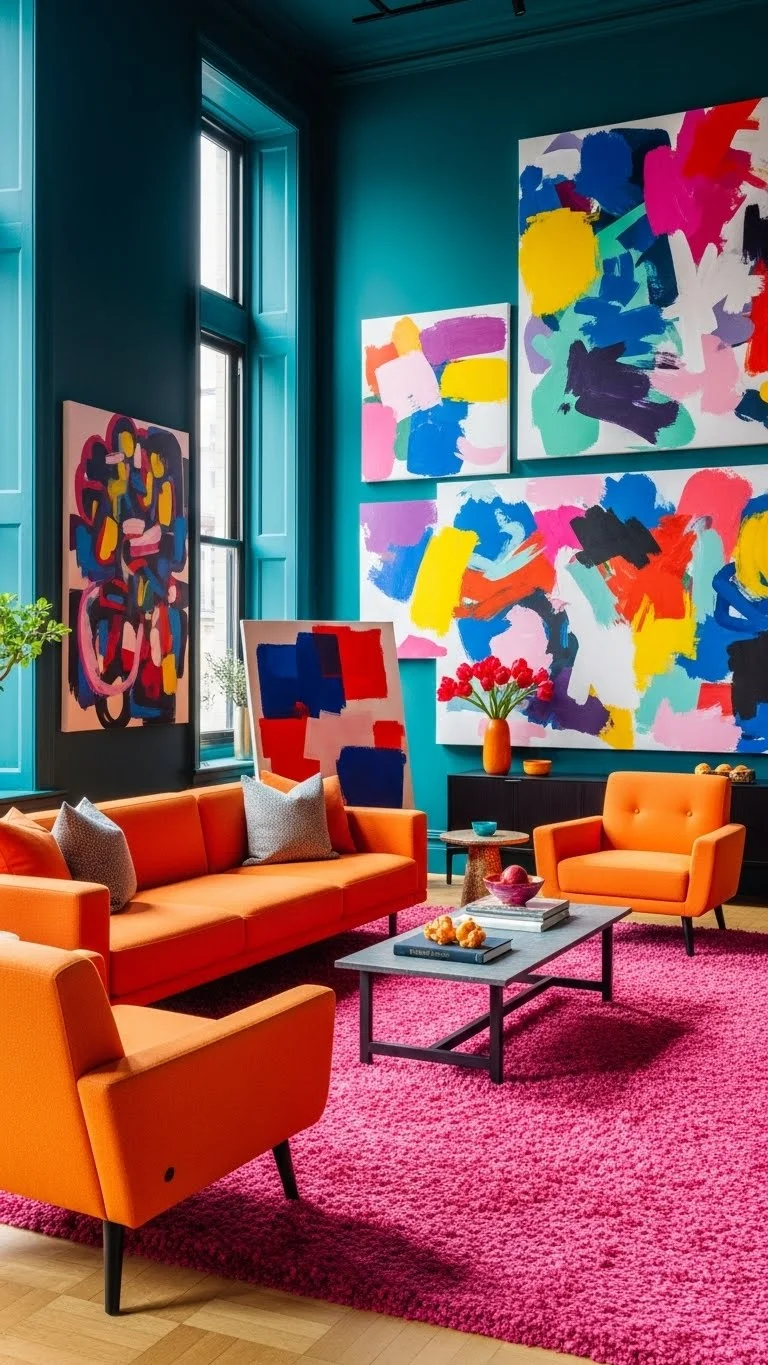
Postmodern design isn’t afraid to flaunt color. Imagine deep teal walls contrasted with bright orange furniture, topped off with a vibrant pink rug. This fearless use of color creates an energetic atmosphere that invigorates any room, inviting creativity and passion.
The interplay of hues can evoke emotions and set the mood. To make a statement, consider using oversized art pieces that complement the color scheme, weaving a narrative through the vibrant palette that reflects your unique personality.
3. Sculptural Lighting Fixtures
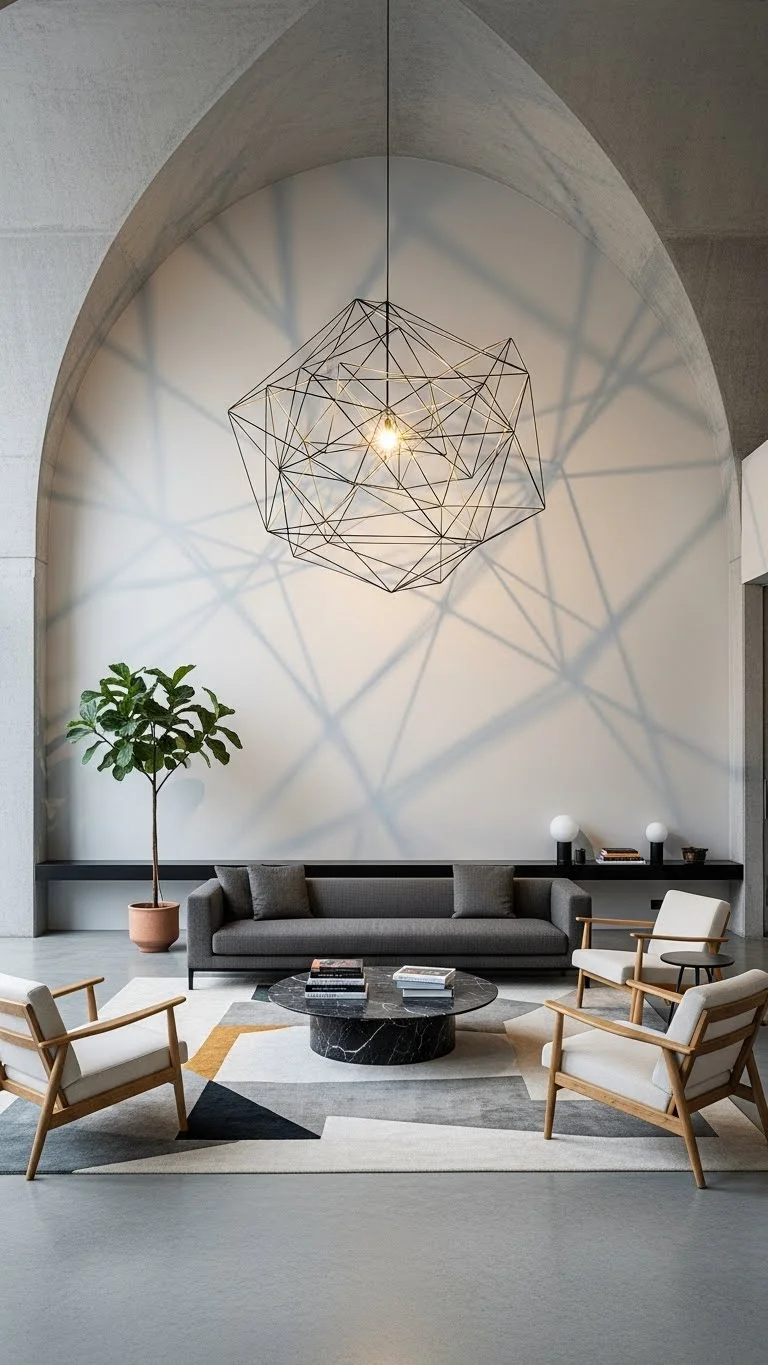
Lighting in postmodern design transcends mere functionality; it becomes a sculptural element. Envision an oversized, geometric pendant light hanging from a high ceiling, casting playful shadows on the walls below. Such fixtures serve as focal points, drawing attention and adding character to the space.
These artistic lighting designs can serve as conversation starters, blending art with practicality. Opt for varying heights and shapes to create depth and interest in your room, transforming the ambiance from mundane to extraordinary.
4. Unexpected Wall Treatments
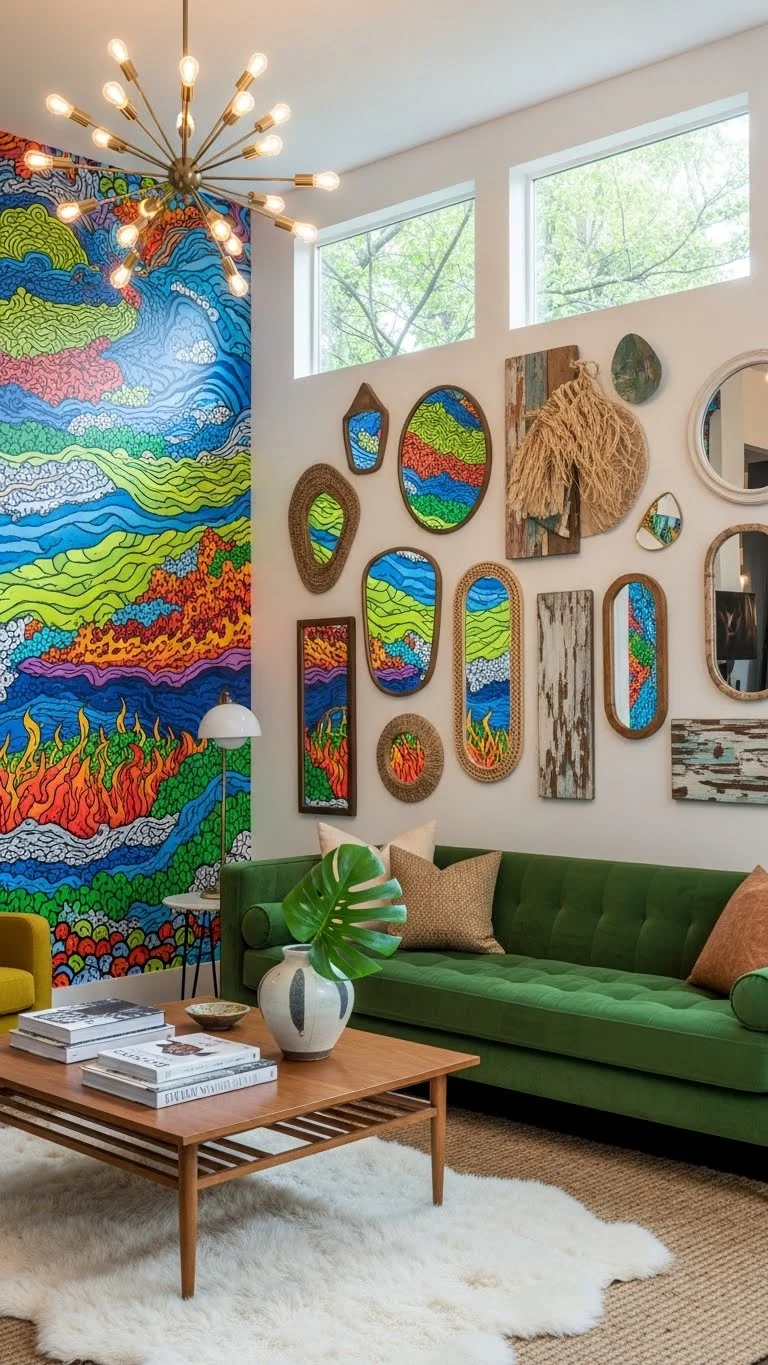
Forget traditional paint or wallpaper; postmodern design embraces surprises. Picture a living room where one wall is covered in a playful mural while another features a collage of mirrors and textures. This eclectic approach adds depth and intrigue, challenging conventional notions of wall decor.
Textures such as wood, metal, and fabric can be incorporated to create a tactile experience, encouraging interaction. Each wall becomes a canvas for storytelling, allowing your personality to shine through while keeping the viewer engaged.
5. Playful Patterns and Prints
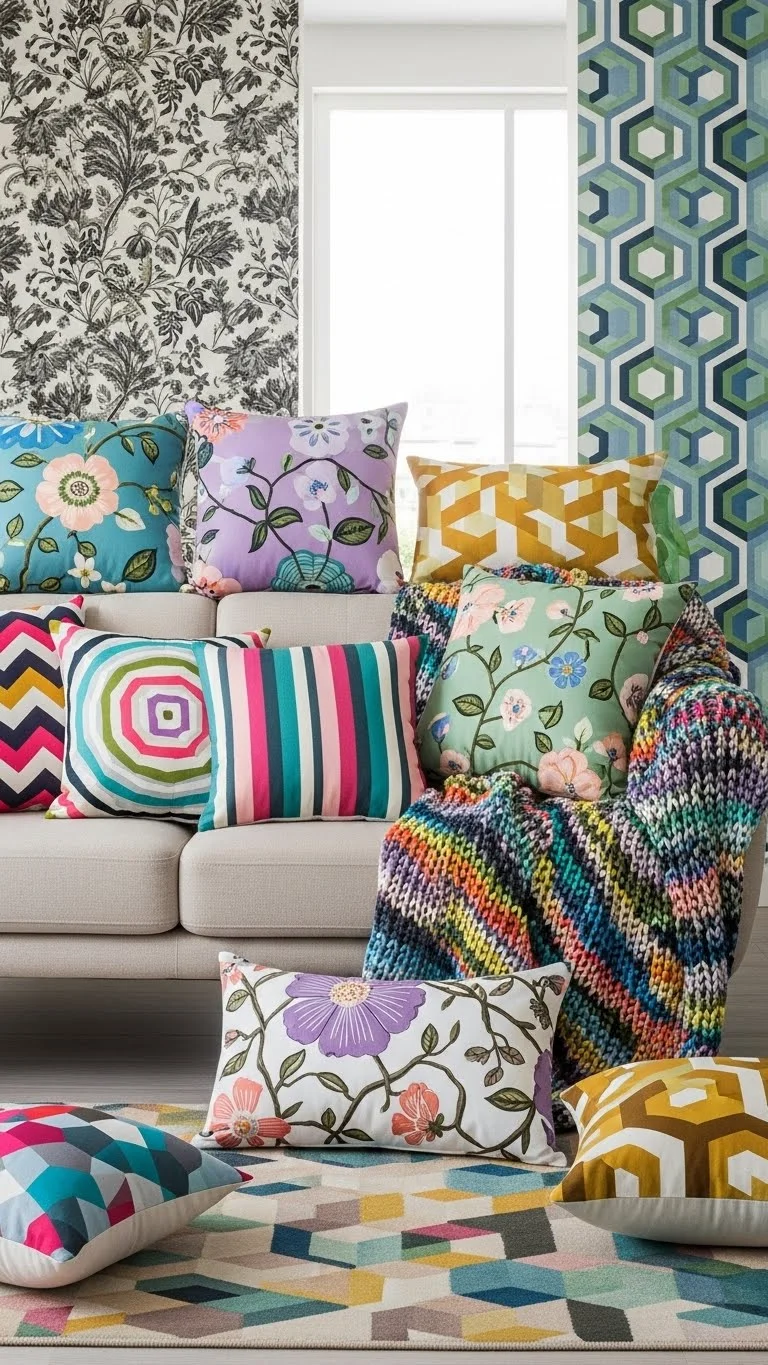
In the world of postmodern design, patterns are not just accents; they are essential components. Imagine a room where bold geometric patterns clash with whimsical florals, creating a dynamic visual landscape. This playful mix encourages a sense of joy and spontaneity, making the space feel alive.
Layering different prints and textures helps to create an engaging visual narrative, drawing the eye throughout the room. Consider using patterned pillows, throws, and even furniture to reinforce this playful aesthetic, ensuring that every piece contributes to the overall story of the space.
6. Multi-Functional Spaces
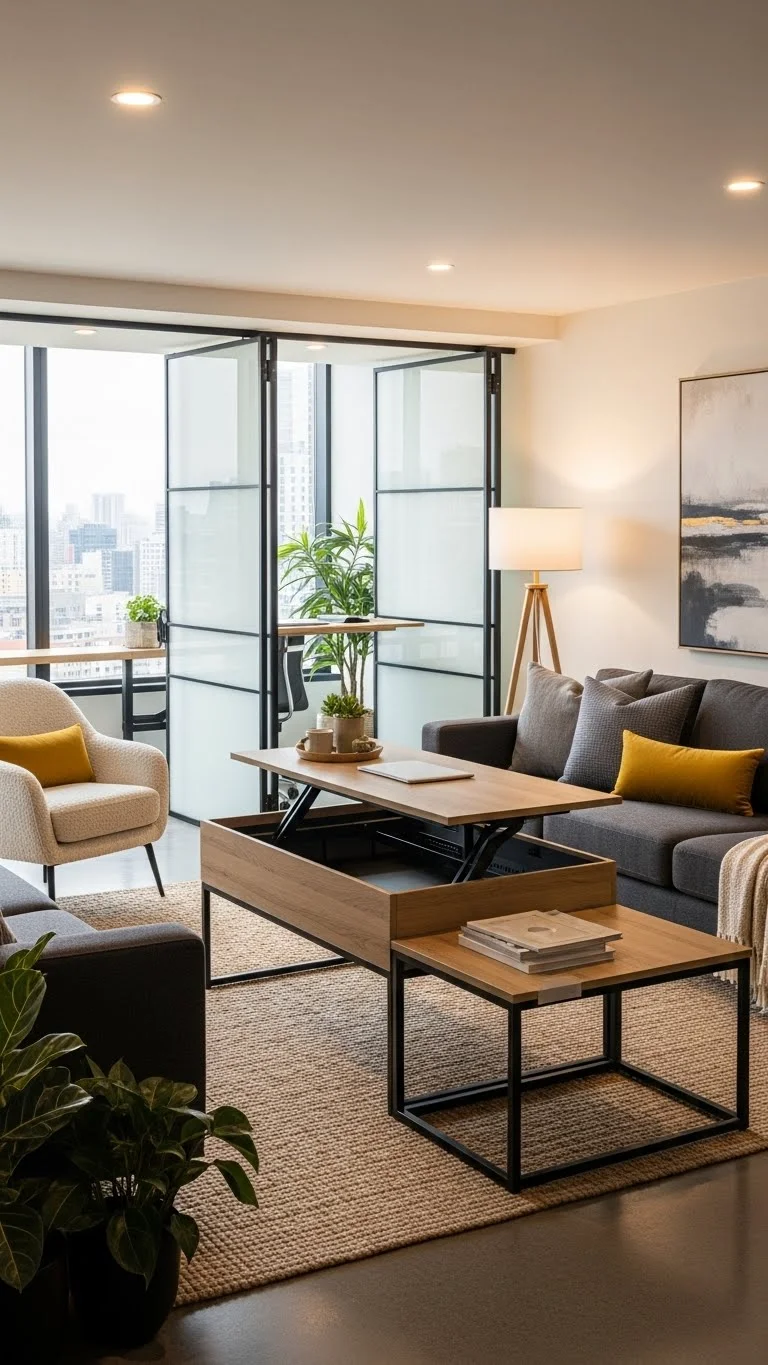
Postmodern design redefines the concept of space by promoting multi-functionality. Visualize a living area that seamlessly transitions from a cozy relaxation zone to an energetic workspace, all without losing its charm. This adaptability is key in modern living, especially in smaller urban environments.
Furniture that serves dual purposes, such as a coffee table that converts to a desk, maximizes functionality without sacrificing style. Incorporating movable partitions or flexible layouts encourages a fluidity that caters to diverse needs, making the space as dynamic as its inhabitants.
7. Eclectic Textures
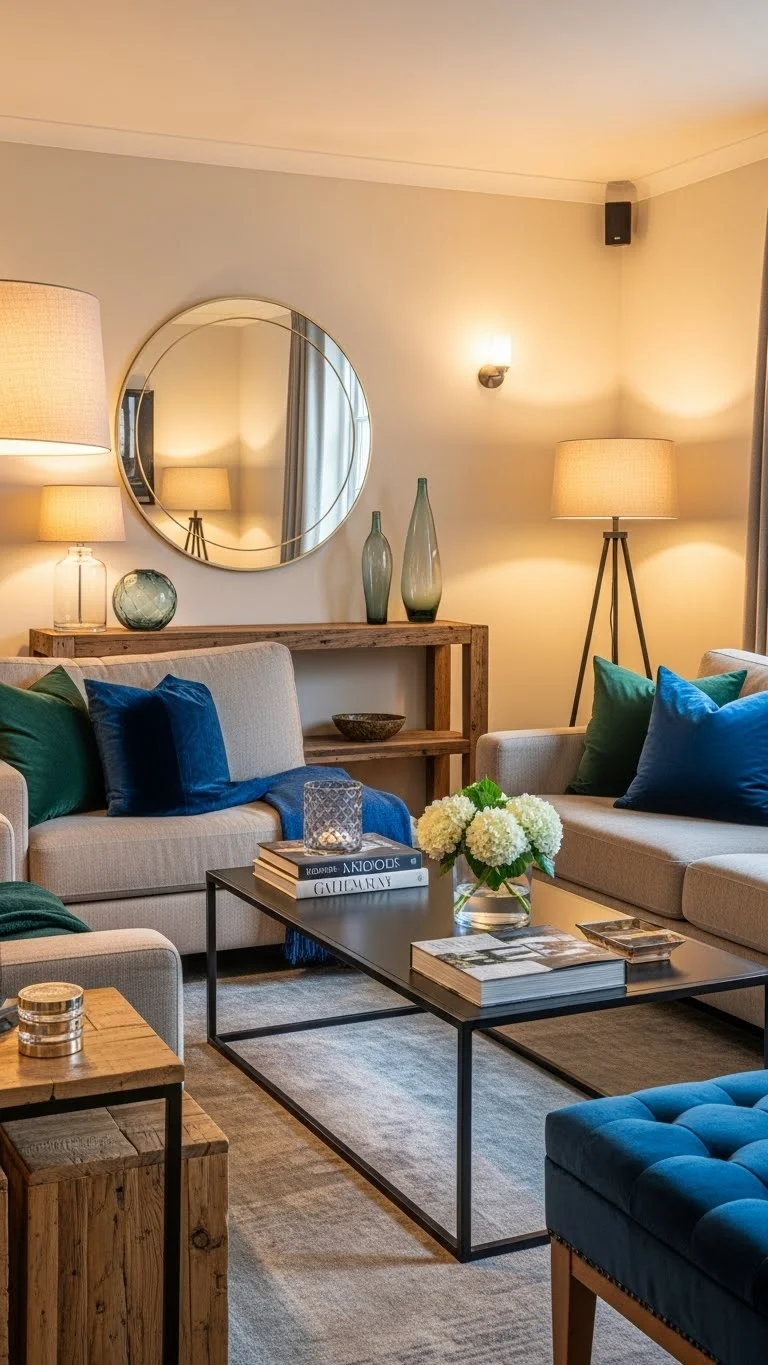
Mixing various textures can create a rich sensory experience in any interior. Imagine the soft, plush feel of velvet cushions juxtaposed against the cool, sleek surface of a metal coffee table. The contrast invites touch and exploration, making a living room feel both inviting and intriguing.
Incorporating materials like reclaimed wood, glass, and stone alongside contemporary fabrics can result in a vibrant atmosphere. Each texture tells a story, inviting guests to engage with the space in a tactile way, transforming the ordinary into the extraordinary.
8. Bold Color Blocking
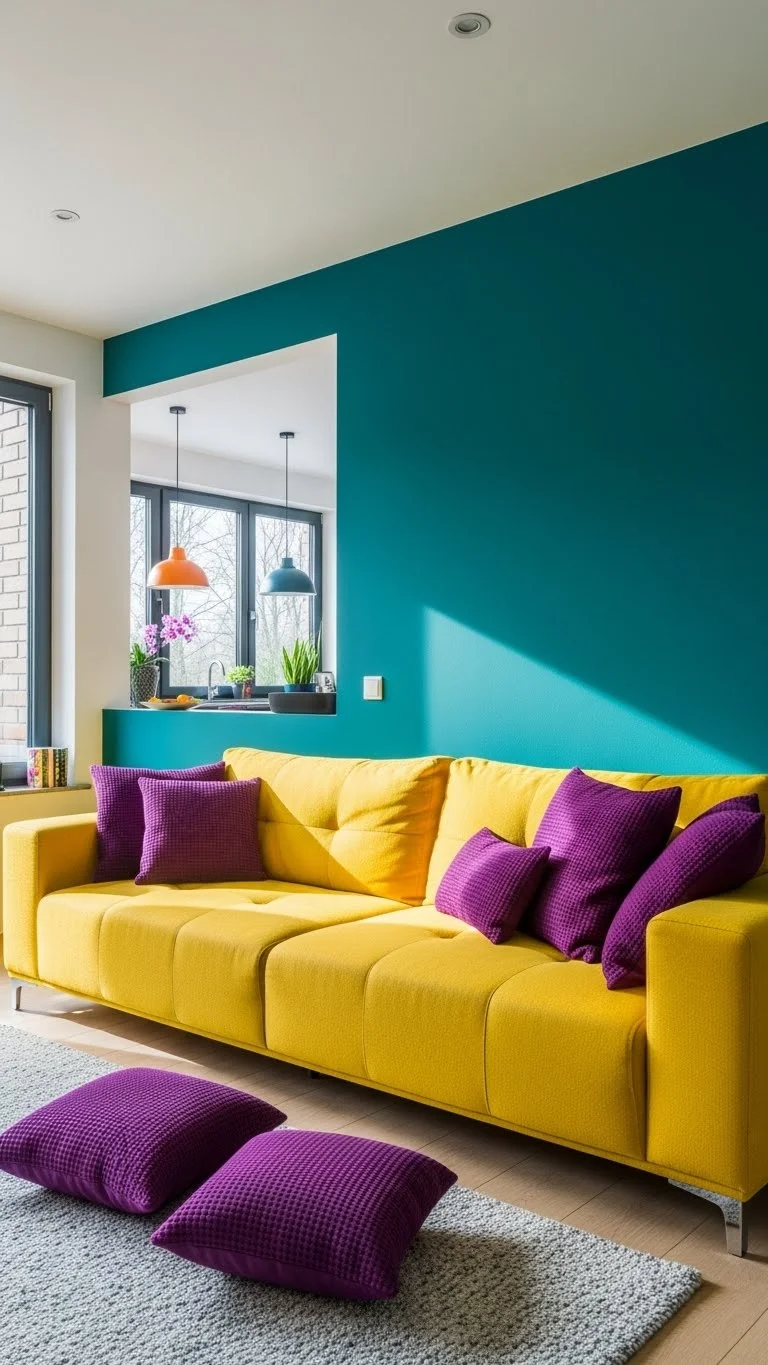
Dare to defy conventional color schemes by using bold color blocking to create dynamic spaces. Picture a room with walls painted in vibrant teal, contrasted with a striking yellow sofa and purple accent pillows. This fearless approach to color can energize a space and evoke emotional responses.
Color blocking not only adds a visual punch but can also delineate areas within an open concept layout. By using unexpected color combinations, you can create zones that feel unique yet cohesive, making the environment feel alive and full of personality.
9. Unexpected Furniture Arrangements
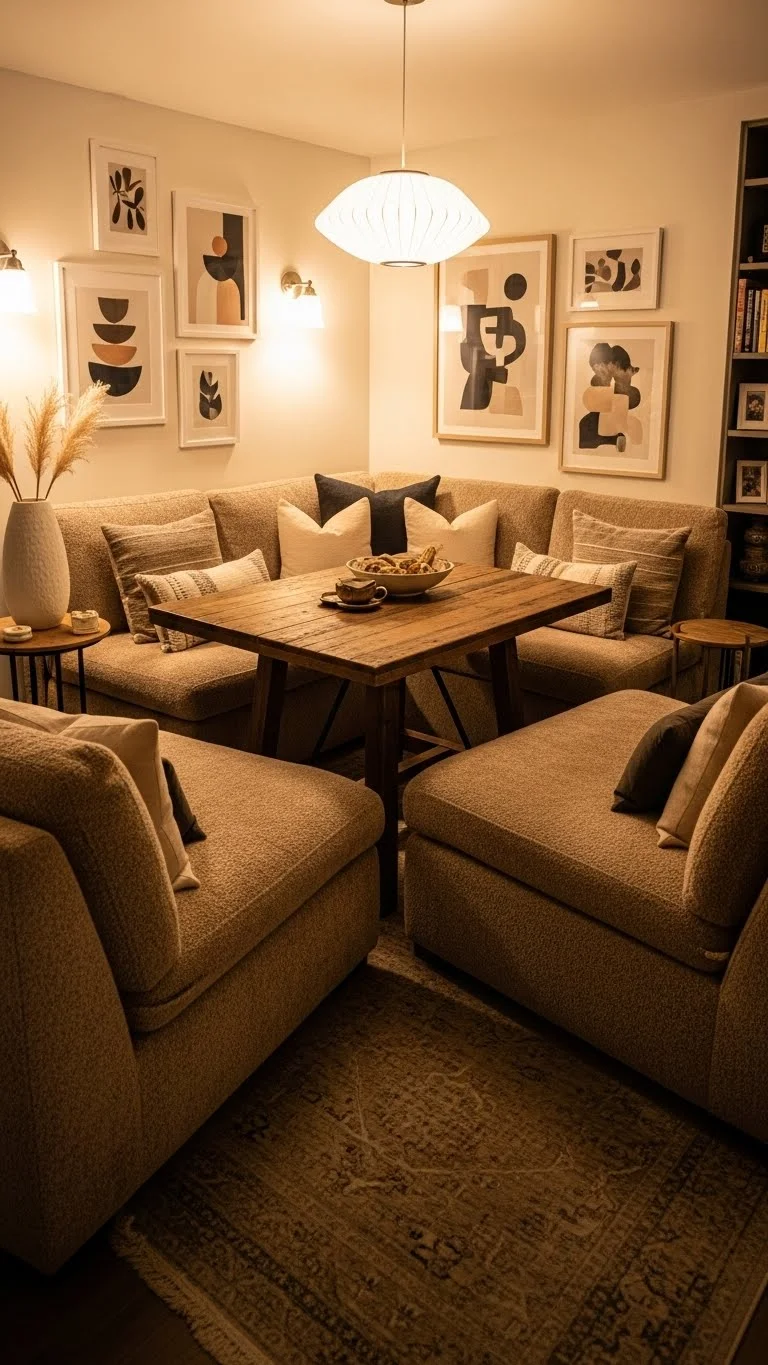
Break away from traditional furniture layouts by experimenting with unexpected arrangements. Imagine a dining table placed in a cozy nook surrounded by oversized lounge chairs instead of typical dining chairs, creating a relaxed and informal atmosphere.
This playful approach encourages conversations and social interaction, making dining feel less formal and more like a gathering of friends. The goal is to create an inviting space where people feel comfortable, allowing for creativity and spontaneity in how the room is used.
10. Artful Display of Objects
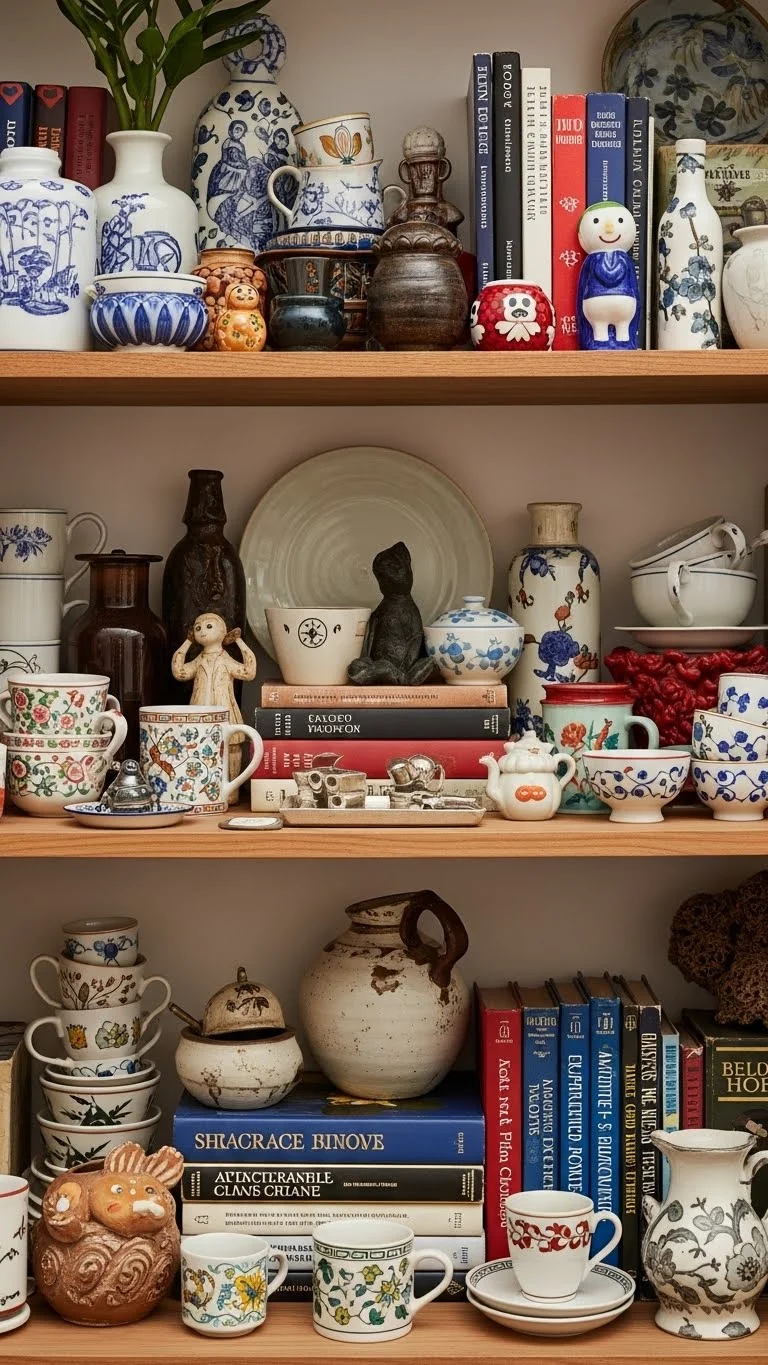
Transform ordinary objects into a curated art display. Picture a shelf filled with an eclectic mix of ceramics, vintage books, and quirky figurines, arranged with an artistic eye. This not only adds personality but also serves as a conversation starter for guests.
The artful display allows for personal expression and can reflect the homeowner’s journey through life. Each object has its own story, and when combined thoughtfully, they create a unique narrative that resonates throughout the space, inviting deeper connection and engagement.
11. Mixing Old and New
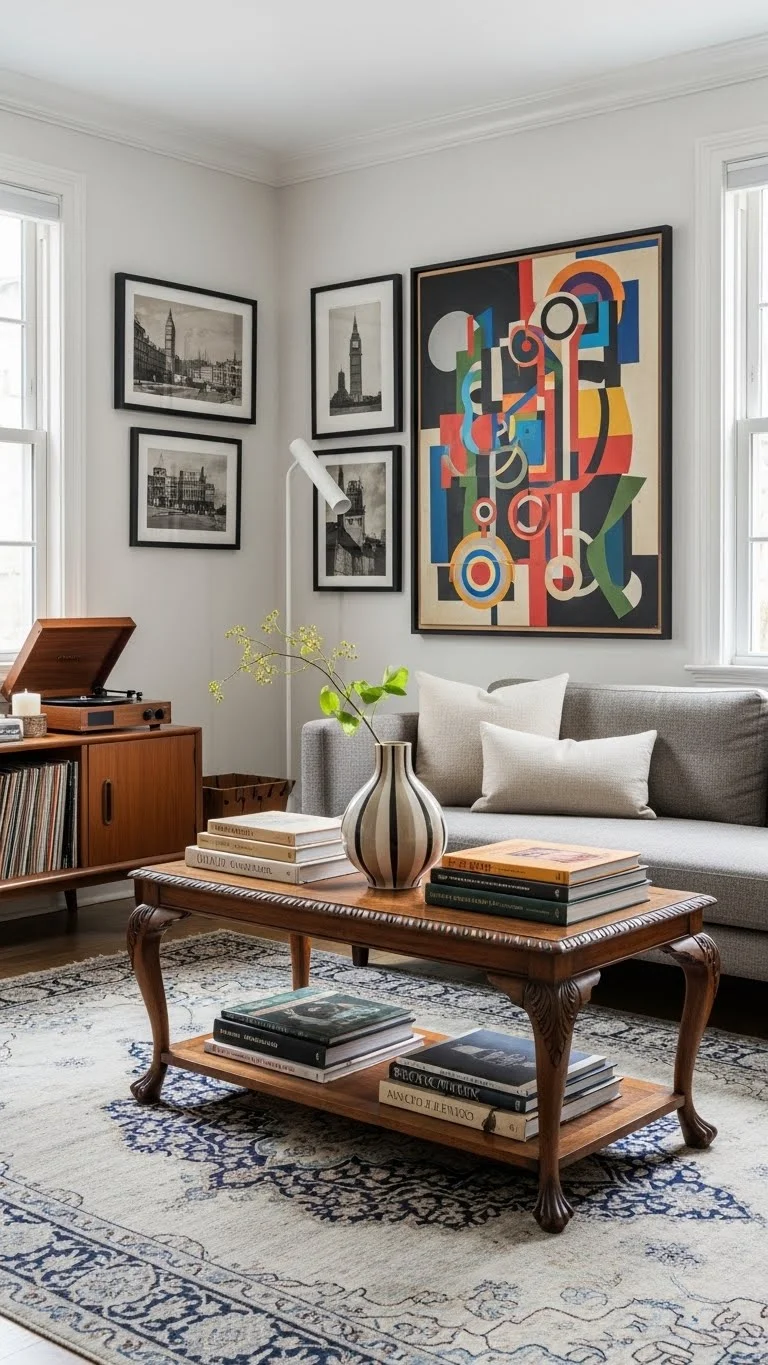
Embrace the beauty of juxtaposing vintage pieces with contemporary design. Imagine a sleek, modern sofa paired with an antique coffee table and retro artwork adorning the walls. This blend of eras creates a layered, timeless feel that honors history while remaining fresh and relevant.
Mixing old and new not only tells a story but also showcases the homeowner’s unique style. It encourages a sense of nostalgia while inviting innovation, making every corner of the room resonate with character and charm.
12. Sculptural Lighting
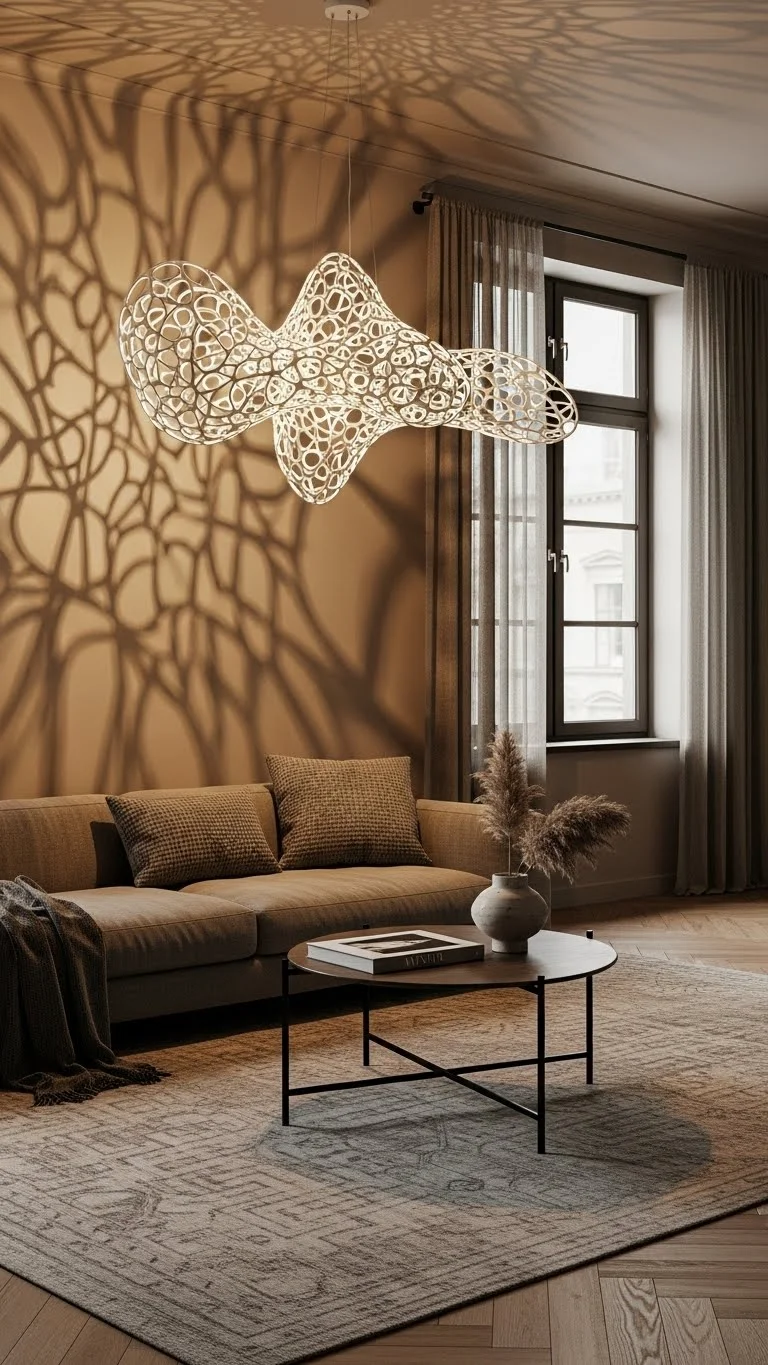
Lighting is often overlooked but can serve as a focal point in postmodern design. Envision a sculptural light fixture that resembles a piece of modern art, casting intricate shadows on the walls. Such a statement piece not only illuminates the space but also adds visual intrigue.
Incorporating unique lighting designs can elevate the overall aesthetic, transforming mundane areas into eye-catching displays. The interplay of light and shadow creates ambiance and mood, ensuring that even the most functional elements of a room contribute to its artistic expression.
13. Eclectic Color Explosion
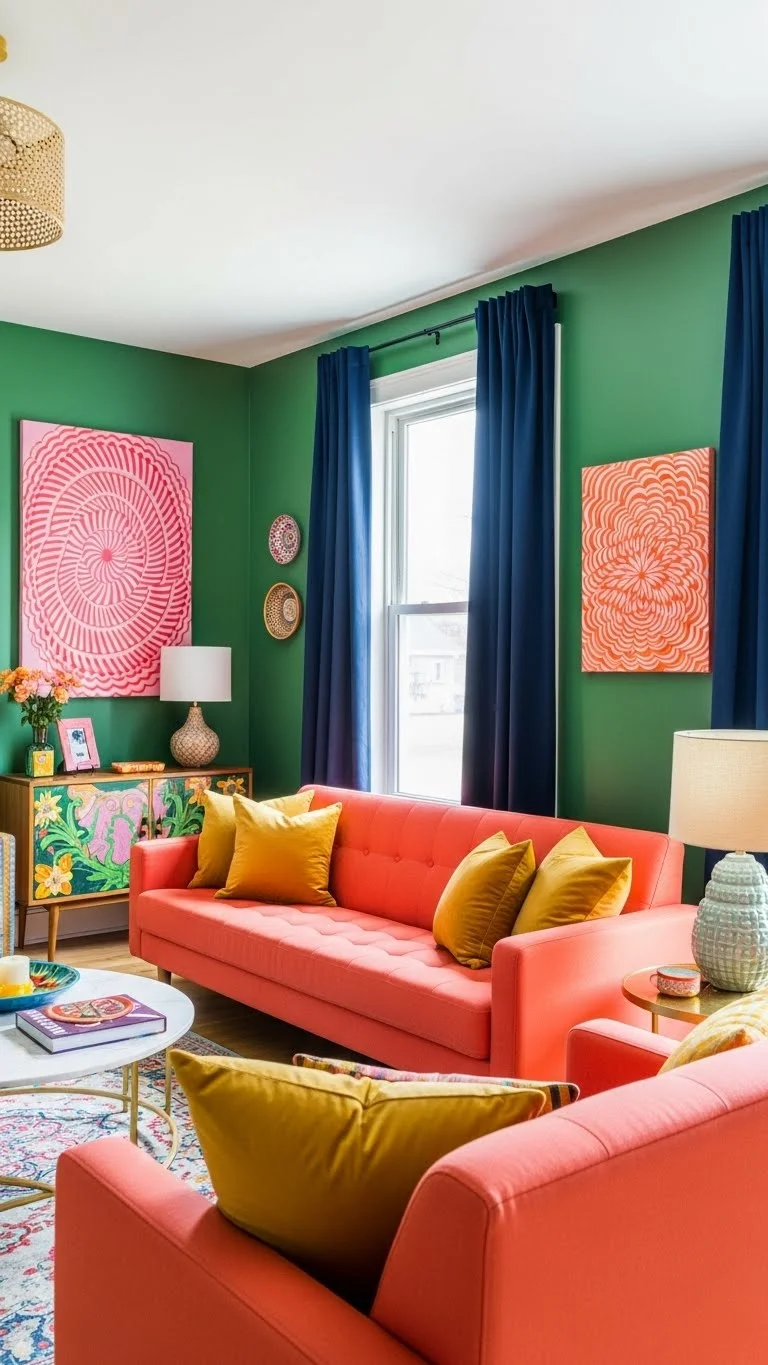
Imagine stepping into a room where vibrant hues collide in the most unexpected ways. Walls drenched in deep emerald green contrast sharply with a bright coral sofa, while mustard-yellow throw pillows pop against a backdrop of navy blue curtains. Each corner of the room tells a different story, with bold art pieces featuring swirls of pink and orange drawing the eye and sparking conversation.
This riot of color is not just visually stunning; it evokes emotions and memories, creating a space that feels alive. The eclectic mix encourages creativity and playfulness, allowing inhabitants to express their individuality. In this postmodern haven, the rules of color coordination are cast aside, inviting freedom and spontaneity into everyday living.
Frequently Asked Questions
What is postmodern interior design?
Postmodern interior design emerged in the late 20th century as a reaction against the strictures of modernism. It embraces diversity, complexity, and contradiction, often mixing styles from different eras and cultures. This design philosophy values personal expression and the use of humor and irony in decor, resulting in spaces that are bold, colorful, and full of character.
Unlike modern design, which tends to favor minimalism and a ‘less is more’ approach, postmodernism invites an abundance of color, texture, and form. It often incorporates historical references and playful elements that reflect the owner’s personality, making each space truly unique.
How can I incorporate postmodern elements into my home?
Incorporating postmodern elements into your home starts with understanding the key characteristics of this design style. Begin by experimenting with vibrant colors and patterns, mixing different textures and materials. You might try pairing a sleek modern sofa with a vintage armchair or using bold wallpaper alongside contemporary art pieces.
Another important aspect is to embrace asymmetry and unexpected combinations. Layering various styles in your decor, such as combining rustic wood with shiny metal, can create a delightful contrast that is visually stimulating. Don’t shy away from playful decor pieces or artworks that spark conversation and reflect your unique taste.
Are there any rules to follow in postmodern design?
While postmodern design encourages breaking traditional rules, there are still some guiding principles to consider. It’s essential to create a cohesive look, even when mixing various styles. This can be achieved through a unifying color palette or recurring design motifs that tie different elements together.
Moreover, balance is key. While it’s tempting to go all out with bold patterns and colors, aim to create visual harmony by including quieter elements that allow the eye to rest. Ultimately, the most important ‘rule’ is to trust your instincts and design a space that feels authentic to you.
What are some common materials used in postmodern interiors?
Postmodern interiors utilize a wide array of materials, often chosen for their textural contrast and visual interest. Common materials include bold patterned fabrics, glossy plastics, natural wood, and even unconventional elements like glass and metal. The aim is to create a tactile experience, inviting touch and interaction.
Additionally, many postmodern designs incorporate found objects and vintage pieces, celebrating the beauty of eclecticism. This blend of materials not only adds depth to the design but also tells a story, making the space feel lived-in and personal.
Can postmodern design work in small spaces?
Absolutely! Postmodern design can be particularly effective in small spaces by maximizing creativity and making bold statements. In compact areas, using vivid colors and unique patterns can create a sense of depth and character, transforming the space into a vibrant haven.
Utilizing multifunctional furniture, such as storage ottomans or foldable tables, allows for practicality while still embracing postmodern aesthetics. Mirrors and strategic lighting can also amplify the sense of space, ensuring that your postmodern design feels open and inviting, regardless of the square footage.
Conclusion
Postmodern interior design invites us to rethink how we approach our living spaces by encouraging creativity and a sense of playfulness. By embracing eclectic styles, bold colors, and unexpected combinations, we can create environments that resonate with our personalities and experiences.
As you explore the 13 postmodern design ideas in this article, remember that the ultimate goal is to express yourself. Let your home reflect your individuality and inspire joy, and don’t be afraid to break a few rules along the way.